





What Is Caribana? A Guide to Toronto's Caribbean Carnival
A plain-English guide to Caribana — what it is, where it came from, and how Caribbean carnival culture lives on in Toronto.
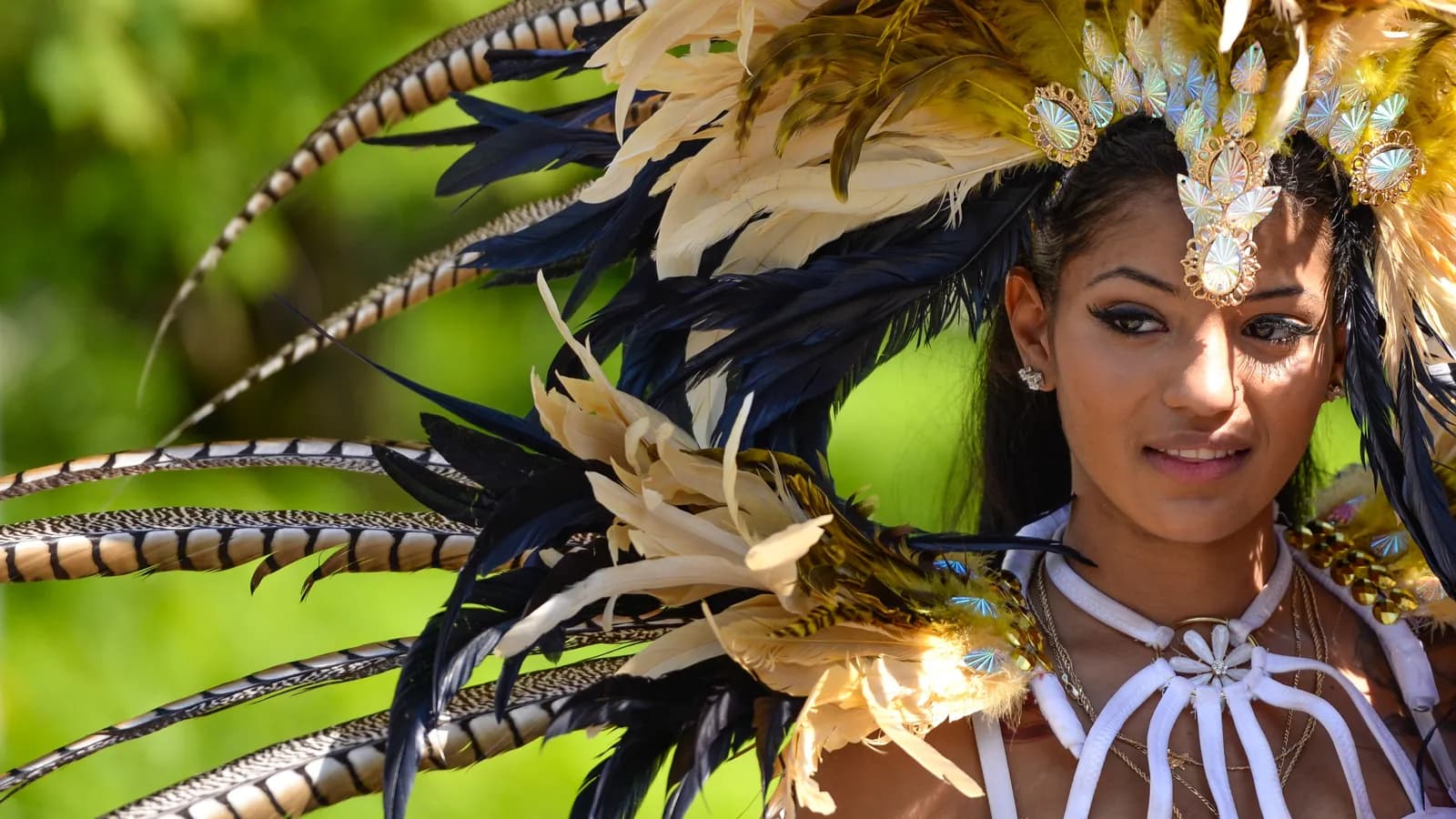
Quick answer: Caribana — officially the Toronto Caribbean Carnival, and often searched as Toronto Caribana — is North America's largest Caribbean festival, held in Toronto every summer to celebrate mas, steelpan, and soca.
Caribana 2026 — key facts
- Dates: carnival weekend runs Thursday, July 30 to Monday, August 3, 2026
- Grand Parade: Saturday, August 1, 2026, along Lake Shore Boulevard (Exhibition Place to Coronation Park)
- Organizer: the Festival Management Committee (FMC) — not S.O.C.A.
- Cost: free to watch along the parade route
What is Caribana?
Caribana is the popular name for Toronto's Caribbean Carnival — one of North America's largest street festivals, drawing more than a million people to the city each summer. It is a celebration of mas (masquerade), steelpan, and soca, with roots that trace back to Emancipation and the Caribbean carnival tradition.
Today the festival is officially known as the Toronto Caribbean Carnival and is organized by the Festival Management Committee (FMC). Spirit of Caribbean Arts (S.O.C.A.) is not the organizer of Caribana — but the art forms at its heart, from costume-making to steelpan, are exactly what we keep alive year-round.
Where did it come from?
Caribana began in 1967 as a gift to Canada's centennial from Toronto's Caribbean community. It grew out of the carnival traditions of Trinidad and Tobago and other islands — traditions themselves born from the celebration of freedom following Emancipation.
What happens during Caribana?
- The Grand Parade — bands of masqueraders "play mas" in elaborate costumes.
- King & Queen competition — the largest, most spectacular costumes compete.
- Steelpan (Pan) events — celebrating the only acoustic instrument invented in the 20th century.
- Soca and calypso — the music that powers the road.
How S.O.C.A. connects
We run mas-making workshops, steelpan programs, and youth camps so the next generation carries these art forms forward. Explore our events or meet the mas bands and steelbands in our community.
Hero photo: John Bauld (public domain), via Wikimedia Commons.
Frequently asked questions
What is Caribana?+
Caribana is the popular name for the Toronto Caribbean Carnival, a large summer festival celebrating Caribbean culture through mas (masquerade), steelpan, and soca music.
Who organizes Caribana?+
The festival, officially the Toronto Caribbean Carnival, is organized by the Festival Management Committee (FMC). Spirit of Caribbean Arts is a separate nonprofit that teaches and preserves the art forms, not the festival's organizer.
When did Caribana start?+
Caribana began in 1967 as a contribution from Toronto's Caribbean community to Canada's centennial celebrations.
What is the Kings and Queen competition?+
It is the part of carnival where the largest and most elaborate individual costumes — often several metres tall — compete to be crowned King and Queen of the bands.
Experience it for yourself
S.O.C.A. keeps Caribbean carnival culture alive year-round through events, workshops, and our artist community.